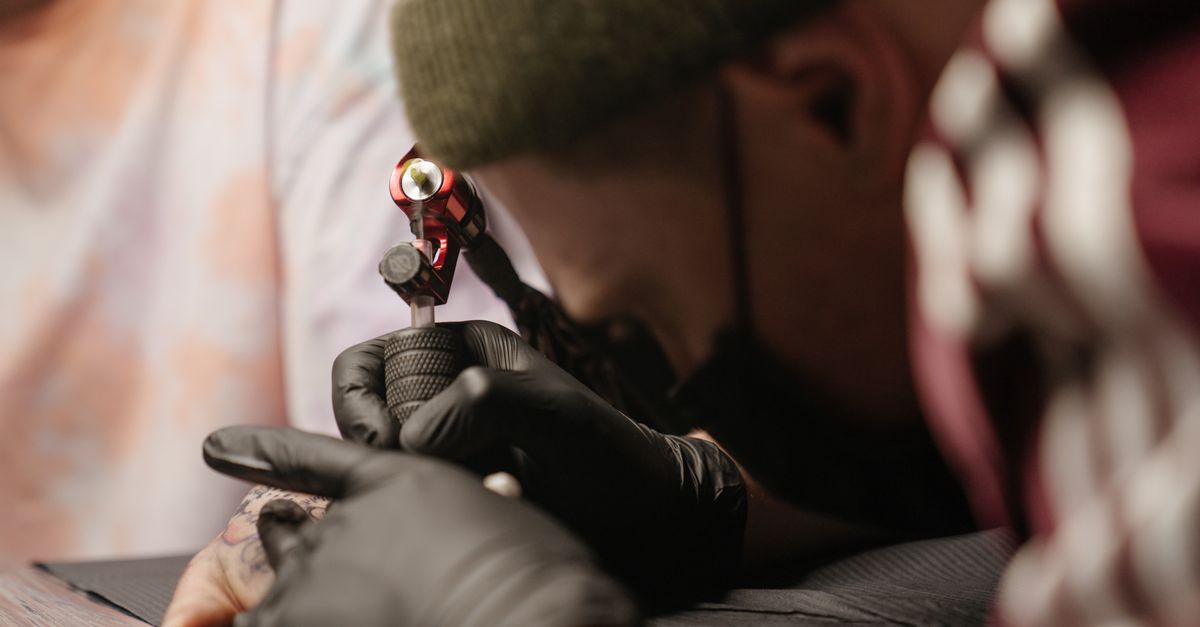
Essential Questions to Ask About Pricing Before Getting Tatted
Table Of Contents
Quality of Tattoo Ink
The quality of tattoo ink plays a crucial role in determining the intensity and longevity of a tattoo. High-quality inks are often made from pure pigments, which provide vibrant colours and better skin compatibility. Cheaper alternatives may contain fillers and harmful substances that can lead to issues such as fading or allergic reactions. Ensuring the use of premium inks can significantly impact both the appearance of the tattoo and the overall experience.
When evaluating pricing, it's essential to consider how much the artist invests in their materials. Quality inks might increase the initial cost of a tattoo, yet they often result in less maintenance and touch-up work in the long run. Budget tattoos may save money upfront but can incur additional expenses in the future if the ink doesn't hold well or requires correction. Understanding the long-term value of high-quality ink can help in making a more informed decision about the overall investment in body art.
Does Ink Quality Affect Overall Cost?
Tattoo ink quality plays a significant role in determining the overall price of a tattoo. High-quality inks are often more expensive due to rigorous manufacturing processes, stringent safety standards, and the use of superior pigments. Cheaper inks may save money upfront but can lead to fading, allergic reactions, or even infection. This long-term perspective encourages clients to consider the implications of ink choice in relation to their budget.
Artists who use high-grade ink are likely to charge more for their services due to the added costs involved. However, investing in better ink can reduce the need for touch-ups and enhance the longevity of the artwork. Many tattoo shops take pride in their materials and may even offer transparent details about their ink sources, helping clients understand the value behind what they’re paying for.
Aftercare Products and Services
Proper care following a tattoo session is vital for optimal healing and preserving the artwork. Aftercare products can vary widely, encompassing specialised creams, ointments, and cleansers designed to keep the skin moisturised and infection-free. Some studios offer aftercare kits as part of the service, while others provide recommendations. It's essential to ensure that you factor these additional costs into your budget, as they can add up over time.
Moreover, certain artists or tattoo parlours may also offer aftercare services, such as follow-up consultations or touch-ups. These services can further enhance the overall longevity and appearance of your tattoo. Understanding the full range of aftercare options available can help make informed decisions about what best suits your skin and lifestyle, ultimately affecting both comfort and costs associated with your new ink.
Considerations for Post-Tattoo Care Expenses
After getting a tattoo, proper care is essential for the healing process and the longevity of the artwork. Many artists recommend specific aftercare products, which can include specialised ointments, moisturisers, and cleansers. These products are typically formulated to promote healing and prevent infections, but they often come with a price tag. Thus, considering the cost of quality aftercare is a necessary part of your budgeting.
In addition to products, some individuals opt for professional aftercare services, such as consultations or follow-ups with the tattoo artist. This can be especially beneficial for those new to tattoos or for larger pieces that may require more attention during the healing phase. It is wise to factor in these potential expenses when planning your overall budget for a tattoo, ensuring you set aside enough funds for both the initial tattooing process and the necessary care that follows.
Payment Options and Plans
Tattoo studios often provide various payment methods to accommodate different client needs. Credit and debit cards are widely accepted, making it easy for tattoo enthusiasts to book their appointments. Some studios may also offer payment plans for higher-priced tattoos, allowing clients to split the cost into manageable instalments. This flexibility can alleviate financial pressure and make getting a tattoo more accessible.
When considering a tattoo, inquire about any available deposit requirements. Some artists may require an upfront payment to secure your appointment. Understanding the terms of payment plans, including any interest rates or fees, is crucial. Clients should ensure that they are comfortable with the financial commitment before proceeding with their tattoo.
Flexible Payment Methods Available
Many tattoo studios offer various payment options to make the process more accessible. Credit and debit card payments are commonly accepted, and some places may also provide contactless payment methods for convenience. An increasing number of studios are adopting mobile payment applications, allowing clients to complete transactions directly from their smartphones.
Installment plans can alleviate the financial burden of getting a tattoo. Some establishments work with third-party financing companies to offer clients the possibility of paying for their tattoos over time. This can be especially helpful for larger pieces that require a higher initial investment. Always inquire about the terms and conditions attached to these options to ensure you fully understand your financial commitments.
FAQS
What factors influence the cost of a tattoo?
The cost of a tattoo can be influenced by several factors including the quality of ink used, the complexity of the design, the experience of the artist, and the size of the tattoo.
How does the quality of tattoo ink impact the pricing?
High-quality tattoo ink can be more expensive but it often results in better colour retention and less chance of fading, which can justify the higher price in the long term.
What should I consider regarding aftercare products for my tattoo?
Aftercare products can add to the overall cost of getting a tattoo, so it’s important to factor in expenses for creams, ointments, or specialised aftercare services that may be recommended by your tattoo artist.
Are there payment options available for getting a tattoo?
Many tattoo studios offer flexible payment options, including payment plans, credit card payments, and sometimes even financing options, making it easier to manage the cost over time.
How can I ensure I’m not overspending on my tattoo?
To avoid overspending, research different studios, compare prices, ask for detailed quotes, and discuss what is included in the price such as the cost of aftercare products and any potential touch-up fees.
Related Links
Cost vs Quality: Finding the Right Tattoo ExperienceHow Location Affects Tattoo Pricing in Perth
The Impact of Artist Experience on Tattoo Pricing
Price Breakdown: What to Expect for Different Tattoo Sizes
Discounts and Promotions at Perth Tattoo Shops