Perth Tattoo Studios: A Guide to Their Cleaning Protocols
Table Of Contents
Client Safety Measures During Tattoo Sessions
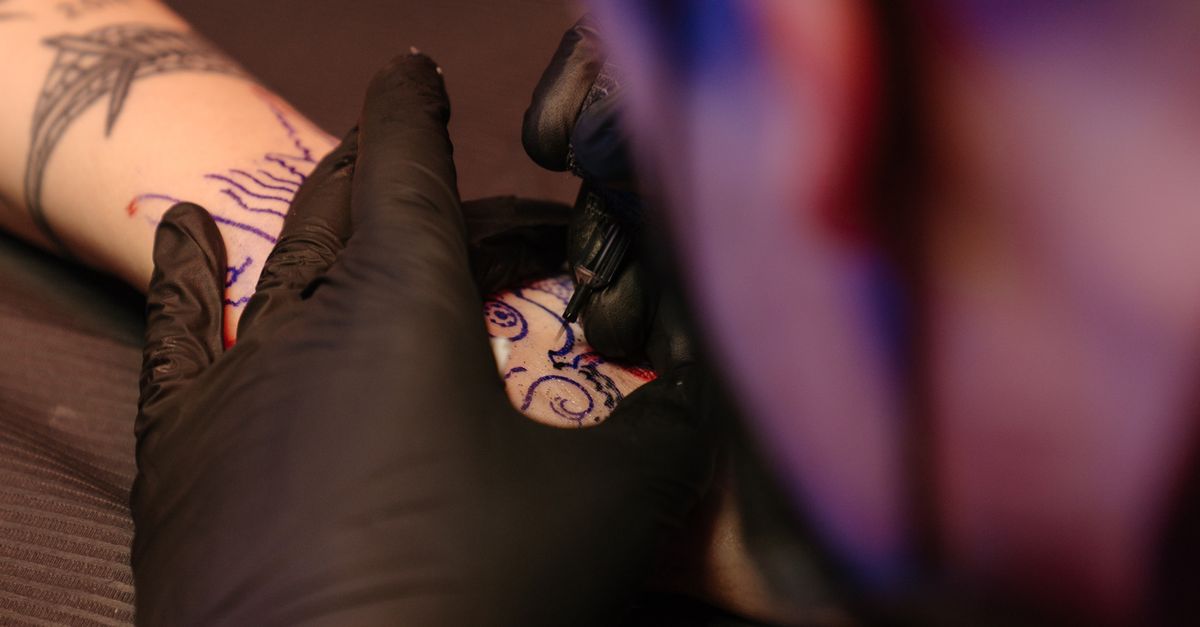
Ensuring a safe and hygienic environment during tattoo sessions is paramount for both artists and clients. Studios adhere to strict guidelines that include the use of personal protective equipment (PPE) such as gloves and masks. Artists frequently sanitise their hands before and after each procedure, which mitigates the risk of infection. Consultation prior to the session often involves a review of medical history to identify any potential complications or allergies, further promoting client safety.
Tattoo artists are trained in infection control techniques, which encompass the use of sterile equipment and single-use supplies. Needles, ink caps, and razors are disposed of after each session to prevent cross-contamination. Artists also ensure that their workstations are cleaned and disinfected between clients, creating an environment that prioritises health and safety. By following these protocols, tattoo studios maintain a high standard of care, fostering trust and peace of mind for those getting inked.
Pre-Tattoo Consultation Protocols
A thorough consultation is crucial for both the client and artist to ensure a successful tattoo experience. During this initial meeting, the tattoo artist discusses the design, placement, and any specific concerns the client may have. This is also the perfect opportunity for clients to disclose any medical conditions or allergies that could impact the tattooing process. Clear communication helps establish trust and allows for a tailored approach to each individual’s needs.
Following the discussion, artists often provide information regarding aftercare and the healing process. This includes advice on how to care for the tattooed area once the session is complete. Clients receive guidance on what to expect during healing, including potential side effects and proper cleaning methods. Providing this information not only empowers clients but also supports the longevity and quality of the tattoo.
How to Identify a Clean Tattoo Studio
When seeking a clean tattoo studio, one of the first indicators is the overall appearance of the facility. Look for a well-maintained environment, where floors are free of debris and surfaces appear consistently wiped down and organised. A clean studio typically has a fresh scent, devoid of any unpleasant odours, suggesting that proper hygiene practices are in place. Additionally, the presence of clear signage regarding health and safety protocols may reflect the studio's dedication to maintaining high cleanliness standards.
Another tell-tale sign of a clean tattoo studio is the behaviour and presentation of the tattoo artists and staff. Professionals should wear appropriate attire, such as clean uniforms, and use personal protective equipment like gloves during procedures. Observing the way they handle equipment and interact with clients is crucial. Artists should prepare their workstations in a sanitary manner, using single-use items whenever possible. This attention to detail demonstrates a commitment to health and safety that is essential in any reputable tattoo establishment.
Signs of Proper Sanitation Practices
A clean tattoo studio should exhibit noticeable signs that indicate a commitment to sanitation. One key aspect is the presence of sterilisation equipment such as autoclaves, which are essential for ensuring that all reusable tools are properly disinfected. In addition to this, artists should regularly don fresh gloves during each session, minimising the risk of cross-contamination. The use of single-use items like needles and ink cups also highlights a studio's dedication to maintaining a hygienic environment.
Clear cleaning protocols are often visible to clients. Look for well-organised workstations, free from unnecessary clutter that could harbour bacteria. Frequently wiped surfaces and properly disposed of waste materials signal an attentive approach to cleanliness. Moreover, informative signage about hygiene practices can reassure clients about the studio’s dedication to their safety. Observing these elements can provide valuable insight into the studio’s overall sanitation standards.
Environmental Cleaning in Tattoo Facilities
Tattoo facilities prioritise a clean environment to ensure the safety and health of both clients and artists. Regular deep cleaning of workstations, waiting areas and bathrooms is essential. Use of appropriate cleaning agents that are effective against pathogens helps maintain a hygienic space. Studios should have a cleaning schedule that includes daily tasks as well as more intensive weekly or monthly cleanings. Proper ventilation also plays a role in reducing airborne contaminants, contributing to overall cleanliness.
Surface disinfection is a crucial aspect of environmental cleaning in tattoo studios. Artists must ensure that all tools, equipment and surfaces are sanitised before and after each session. Frequently touched surfaces, such as door handles and chairs, require special attention to prevent the spread of bacteria. Adherence to strict sanitisation protocols not only protects clients but also fosters a sense of trust in the studio's commitment to safety. Regular staff training on cleaning procedures further enhances the overall hygiene standards of the facility.
Surface Disinfection and Maintenance
Tattoo studios must maintain rigorous surface disinfection practices to ensure a safe environment for clients and artists alike. Frequent cleaning of workstations, chairs, and equipment is vital. High-touch areas, such as door handles and light switches, demand particular attention. Using hospital-grade disinfectants that meet Australian standards enhances the effectiveness of these cleaning measures.
Regular maintenance schedules are a crucial component of sanitation protocols within tattoo facilities. Studios should establish a routine that prioritises cleaning before and after each appointment. This routine not only helps in preventing cross-contamination but also fosters a sense of trust among clients. In addition, the use of disposable barriers on surfaces can mitigate risks associated with potential spills or splashes during sessions.
FAQS
What should I look for in a tattoo studio’s cleaning protocols?
When evaluating a tattoo studio's cleaning protocols, check for proper sanitation practices, such as the use of disposable equipment, sterilisation of reusable tools, and overall studio cleanliness. It’s also important to ask about their environmental cleaning procedures.
How can I ensure my safety during a tattoo session?
Ensure your safety during a tattoo session by confirming that the artist follows strict hygiene measures, including wearing gloves, using sterilised equipment, and maintaining a clean workspace. Discuss any concerns during the pre-tattoo consultation.
Are tattoo studios required to have specific cleaning protocols in Australia?
Yes, tattoo studios in Australia are required to adhere to strict hygiene regulations set by local health authorities. These regulations cover sanitation practices, equipment sterilisation, and general studio cleanliness to ensure client safety.
What are the signs of a clean tattoo studio?
Signs of a clean tattoo studio include a tidy and organised workspace, the presence of sanitising stations, visible cleaning supplies, and artists who wear appropriate protective gear. You should also see a commitment to maintaining sterile conditions.
How often do tattoo studios clean their facilities?
Tattoo studios should perform daily cleaning and disinfection of all surfaces and equipment, with special attention given to frequently touched areas. Additionally, a deeper environmental cleaning should be done regularly to maintain a safe space for clients.
Related Links
The Impact of Clean Environments on Tattoo HealingWhy Cleanliness Should be Your Priority When Choosing a Tattoo Shop
Client Reviews Highlighting Hygiene in Perth Tattoo Studios
How Sterilisation Techniques Affect Your Tattoo Experience
Understanding Health Regulations in Perth Tattoo Shops
Top Perth Tattoo Shops with Exceptional Cleanliness Ratings
The Role of Cleanliness in Client Satisfaction at Tattoo Parlours