The Importance of Prompt Treatment for Infected Tattoos
Table Of Contents
Preventing Tattoo Infections
Proper hygiene is crucial in minimising the risk of tattoo infections. Before getting inked, individuals should ensure that the tattoo studio adheres to strict cleanliness standards. This includes using only sterile equipment and maintaining a clean environment during the procedure. Familiarising oneself with the artist’s techniques and asking about their sanitation practices can provide peace of mind.
Aftercare plays an essential role in preventing infections. Following a tattoo, it's important to keep the area clean and avoid soaking it in water. Applying a prescribed ointment or moisturiser can help protect the skin and promote healing. Regular monitoring of the tattoo for any signs of infection, such as increased redness, swelling, or discharge, is recommended. Taking these precautions can significantly reduce the likelihood of complications.
Best Practices for Aftercare
Proper aftercare is crucial in minimising the risk of infection following a tattoo. Cleaning the area gently with mild soap and warm water helps remove any dirt or bacteria. It’s essential to pat the tattoo dry with a clean towel or let it air dry to avoid irritation. Applying a thin layer of an approved moisturising ointment can keep the skin hydrated, which encourages healing. Staying hydrated and maintaining a healthy diet can also support the body’s natural healing processes.
Avoiding direct sunlight on the tattooed area is vital during the initial healing phase. Sun exposure can cause fading and increase the likelihood of complications. Wearing loose clothing over the tattoo can prevent friction and allow the skin to breathe. It is advisable to avoid swimming pools, hot tubs, and excessive sweating for at least a few weeks after getting a tattoo, as these environments can introduce bacteria. Regularly checking the tattoo for any signs of redness, swelling, or unusual discharge is important for early intervention if infection occurs.
The Role of Professional Tattoo Artists
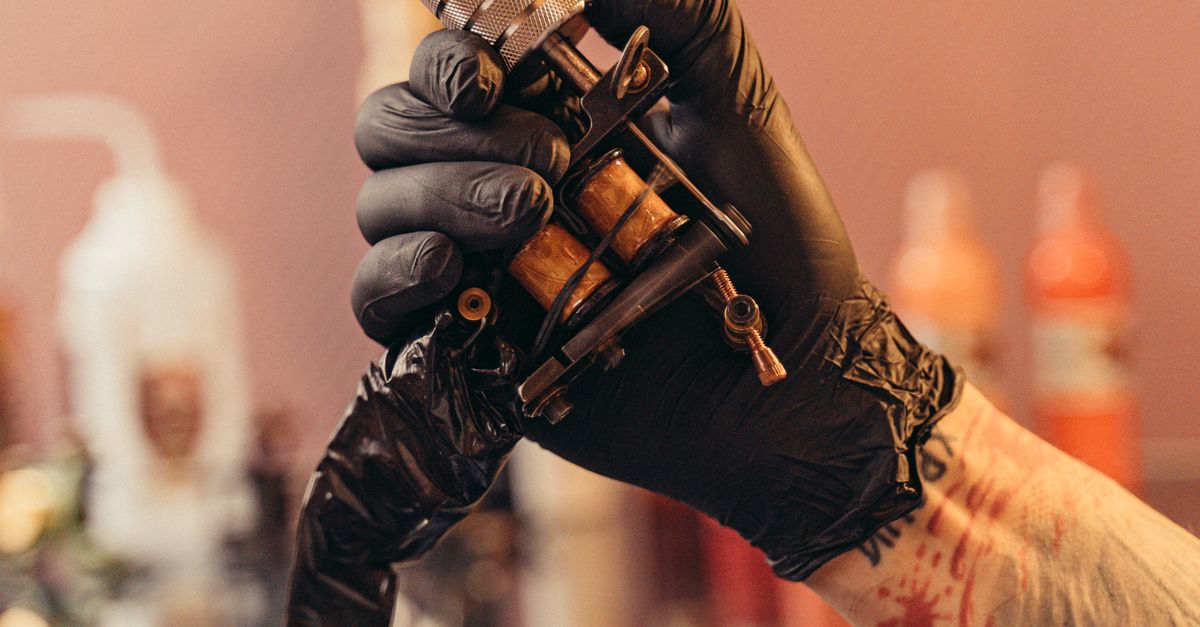
Professional tattoo artists play a crucial role in ensuring the health and safety of their clients during the tattooing process. Their expertise lies not only in creating stunning designs but also in adhering to strict hygiene protocols throughout the procedure. Artists who prioritise cleanliness and maintain a sterile environment significantly reduce the risk of infections. They understand the importance of using disposable equipment and sanitising workspaces meticulously between clients.
Moreover, well-trained tattoo artists educate their clients on proper aftercare, emphasising the need for ongoing treatment to prevent complications. They are often the first point of contact for clients experiencing issues post-tattooing, providing essential guidance on recognising the signs of infection and when to seek medical help. The knowledge and skills of tattoo artists can make a significant difference in ensuring a safe and positive experience for clients, ultimately promoting long-term satisfaction with their body art.
Importance of Sterile Equipment
The use of sterile equipment is essential in preventing infections during the tattooing process. Tattoo needles, ink containers, and tubes must be properly sterilised to eliminate any potential pathogens. Unsterilised instruments can transfer bacteria or viruses into the skin, leading to complications that can jeopardise both health and the quality of the tattoo. Ensuring that the equipment is single-use or thoroughly sanitised before each session creates a safer environment for clients.
Professional tattoo artists understand the critical role that cleanliness plays in their work. They are trained to adhere to strict hygiene protocols that dictate how to handle equipment and maintain their workspace. Utilising disposable gloves and redefining personal practices, such as avoiding direct contact with open wounds, is vital. This meticulous approach not only protects clients from infections but also nurtures trust and professionalism in the tattooing industry.
Long-Term Effects of Tattoo Infections
Infections can lead to a variety of long-term health issues that extend beyond the initial discomfort and appearance of the tattoo. Scarring is one of the most common consequences, with some individuals experiencing permanent alterations in skin texture or colour. Severe infections can also result in systemic complications, particularly if the bacteria enter the bloodstream, leading to conditions such as sepsis. This can have serious implications for overall health and wellbeing.
Moreover, individuals may face emotional and psychological impacts stemming from the experience of infection. The anxiety of ongoing medical treatments, potential repeat procedures, and concerns about the future appearance of the tattoo can contribute to distress. In some cases, the individual might develop a lasting aversion to tattoos altogether, affecting their willingness to express personal identity through body art in the future. Concerns about infections can linger long after the skin has healed, making it essential to take proactive steps for prevention and care.
Potential Risks and Complications
Infected tattoos can lead to a variety of complications that extend beyond initial discomfort. Common issues include inflammation, pus formation, and redness surrounding the tattooed area. In severe cases, the infection can spread to deeper layers of skin, resulting in cellulitis or other systemic infections. This escalation may require more intensive treatments, including intravenous antibiotics or even hospitalisation if the situation becomes critical.
Ignoring signs of infection can be particularly hazardous. Scarring may occur as the body heals, potentially altering the appearance of the tattoo. In the worst scenarios, untreated infections can lead to complications such as necrosis, where tissue dies, or sepsis, a life-threatening response to infection spreading throughout the body. These outcomes underline the necessity for prompt medical attention when any signs of infection present themselves.
FAQS
What are the signs of an infected tattoo?
Signs of an infected tattoo may include redness, swelling, warmth, pus or other discharge, and increased pain at the site of the tattoo. If you notice any of these symptoms, it's important to seek medical attention promptly.
How can I prevent infections after getting a tattoo?
To prevent infections, it's crucial to follow proper aftercare practices, such as keeping the tattoo clean and moisturised, avoiding soaking in water, and refraining from picking at scabs. Additionally, choosing a reputable tattoo artist who uses sterile equipment can significantly reduce the risk.
When should I seek medical help for an infected tattoo?
You should seek medical help if you experience significant pain, worsening redness or swelling, fever, or if the discharge from the tattoo site is foul-smelling. Early intervention can help prevent more serious complications.
Can infected tattoos lead to long-term health issues?
Yes, untreated infections can lead to long-term complications, such as scarring, prolonged pain, or even systemic infections if bacteria enter the bloodstream. Prompt treatment is essential to avoid these risks.
How important is the choice of a professional tattoo artist in preventing infections?
Choosing a professional tattoo artist is crucial in preventing infections. A skilled artist will use sterile equipment, follow hygiene protocols, and provide you with proper aftercare instructions to minimise the risk of infection.
Related Links
How to Manage Inflammation and Redness Post-TattooEssential Steps to Take if You Suspect a Tattoo Infection
Common Misconceptions About Tattoo Infections and Healing
Signs Your Tattoo Might Be Infected: A Comprehensive Guide
The Role of Skin Type in Tattoo Infection Development
Differentiating Between Normal Healing and Infection Symptoms
Understanding Tattoo Aftercare and Infection Risks
When to Consult a Professional for Tattoo Infection Concerns