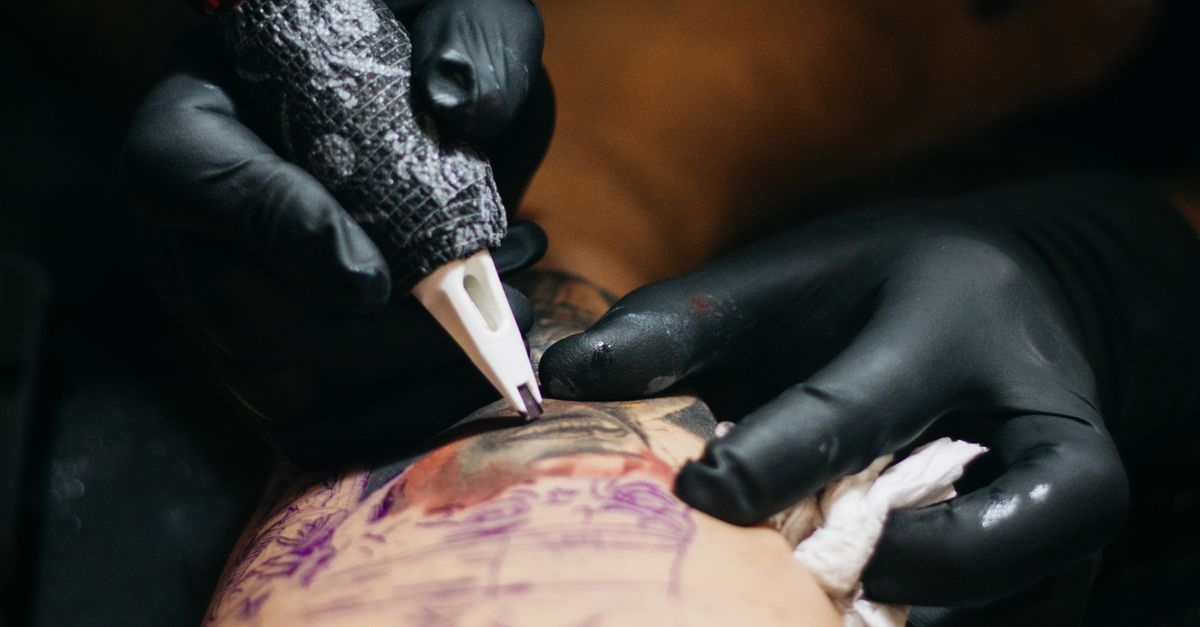
The Influence of Ukiyo-e on Modern Japanese Tattoos
Table Of Contents
The Rise of Tattoos in Japan
In recent years, tattoos have gained significant popularity in Japan, moving beyond the subculture associated with the yakuza and becoming more mainstream. This shift has been influenced by various factors, including globalisation and changing societal norms. Younger generations increasingly embrace tattoos as a form of self-expression, art, and personal identity.
The historical relationship between tattoos and Japanese culture is complex. Traditional tattoos, known as irezumi, were often used to signify social status or as protective symbols. Over time, societal perceptions evolved, often intertwining tattoos with criminality. However, contemporary attitudes are shifting, with more people appreciating the artistry and cultural significance behind tattoo designs, leading to a resurgence that celebrates this ancient practice.
Tattooing Traditions Throughout History
Tattooing in Japan has a rich and complex history, dating back to ancient times when it was associated with rituals and spiritual beliefs. Initially, tattoos served as symbols of status or protection in a variety of societal contexts. Archaeological findings indicate that these markings were used by the Jomon people as early as 10,000 BCE. Over the centuries, the perception of tattoos shifted, particularly during the Edo period, when they became linked with the Yakuza, Japan’s organised crime syndicates, transforming them into symbols of rebellion and deviance.
Despite these shifts in perception, tattooing maintained its cultural significance. The art form flourished in the Edo period, with skilled artists creating intricate designs that reflected traditional themes and stories. These tattoos were often an expression of personal identity, capturing aspects of the wearer's life, beliefs, and aspirations. As Western influences began to permeate Japanese society in the late 19th century, tattoos faced further stigmatisation, leading to periods of prohibition and persecution. Yet, tattooing has persisted, re-emerging in modern times as a legitimate form of artistic expression and cultural revival.
Ukiyo-e Motifs in Modern Tattoo Design
The vibrant imagery and themes of Ukiyo-e have seamlessly found their way into contemporary tattoo designs, captivating both tattoo artists and enthusiasts alike. From iconic elements like koi fish and cherry blossoms to depictions of legendary figures such as samurais and beautiful courtesans, these motifs serve as a bridge between traditional art and modern self-expression. Their rich symbolism resonates deeply, often representing strength, love, and the transient nature of life.
Incorporating Ukiyo-e designs into tattoos allows for a unique aesthetic that embodies historical significance while embracing personal meaning. The bold lines and intricate patterns characteristic of these prints translate beautifully onto the skin, granting a timeless quality to modern tattoos. As tattoo culture continues to evolve, the influence of Ukiyo-e remains steadfast, offering both a visual feast and a respect for Japan's artistic heritage.
Common Imagery and Themes
Traditional Ukiyo-e prints often feature iconic imagery such as koi fish, cherry blossoms, and mythical creatures. These motifs carry deep symbolic meanings within Japanese culture. Koi fish represent perseverance and strength, while cherry blossoms signify the transient nature of life. The use of these symbols in modern tattoos taps into a rich cultural heritage, allowing individuals to express personal stories and values through art on their skin.
Additionally, themes of nature, love, and the samurai ethos frequently find their way into tattoo designs inspired by Ukiyo-e. Scenes depicting warriors, beautiful courtesans, and landscapes evoke a sense of nostalgia and respect for the past. This connection not only enhances the aesthetic appeal but also serves as a reminder of the historical narratives that continue to resonate within contemporary Japanese society. As tattoo enthusiasts explore these themes, they forge a bridge between traditional art forms and modern self-expression.
Techniques of Ukiyo-e Applied in Tattooing
The methods used in Ukiyo-e printmaking significantly influence contemporary tattooing techniques. Traditional approaches in Ukiyo-e involve intricate hand-carving of woodblocks, allowing for the fine detailing that characterises the style. Artists meticulously layer colours, creating depth and vibrancy in each print. This careful layering resembles the techniques used in tattoos, where artists can combine various ink shades to achieve a similar visual impact on skin.
Tattoo artists often adopt the bold outlines and vibrant colour palettes found in Ukiyo-e prints. The use of black outlines helps in defining shapes and motifs, drawing the eye to the intricacies of the design. Moreover, the gradient fills and shading techniques, akin to those seen in watercolour Ukiyo-e pieces, enhance the three-dimensional look of tattoos. This blending of traditional print methods into modern practices results in tattoos that not only pay homage to historical artistry but also push the boundaries of contemporary expression.
Reproduction of Print Techniques in Tattoos
Modern tattoo artists often draw inspiration from the intricate techniques used in traditional Ukiyo-e woodblock printing. Artists have adapted methods such as layering, colour blending, and fine line work, allowing tattoos to mimic the depth and texture seen in classic prints. These techniques require a strong understanding of ink application, ensuring that the final result closely resembles the elegance of the original artworks.
Incorporating stippling and gradient effects into tattoo designs enhances the visual narrative, mirroring the transitional shades found in Ukiyo-e. The meticulous process of layering colours adds vibrancy and complexity, offering a visual experience that pays homage to historical craftsmanship. This fusion of traditional art forms and modern tattooing not only showcases an artist's skill but also helps to preserve cultural heritage within a contemporary context.
FAQS
What is Ukiyo-e?
Ukiyo-e is a genre of Japanese art that flourished from the 17th to the 19th centuries, characterised by woodblock prints and paintings depicting landscapes, kabuki actors, and beautiful women.
How have tattoos evolved in Japan?
Tattoos in Japan have evolved from being associated with criminal and lower-class identities to gaining acceptance in modern culture, especially influenced by traditional art forms like Ukiyo-e.
What are some common themes in Ukiyo-e tattoos?
Common themes in Ukiyo-e tattoos include depictions of nature, mythological creatures, kabuki actors, and historical narratives, all of which reflect the aesthetics and storytelling elements of Ukiyo-e art.
How are Ukiyo-e techniques applied in modern tattooing?
Modern tattoo artists often replicate Ukiyo-e techniques through meticulous line work, vibrant colours, and layering effects to mimic the look of traditional woodblock prints.
Are Ukiyo-e tattoos culturally significant in Japan?
Yes, Ukiyo-e tattoos carry cultural significance as they connect contemporary art forms with Japan's rich history and artistic heritage, celebrating the beauty and storytelling found in traditional Ukiyo-e prints.
Related Links
Advancements in Japanese Tattoo Techniques in PerthExploring the Rich History of Japanese Tattoos in Perth
Celebrating Festivals Through Japanese Tattoo Art
Popular Japanese Tattoo Styles and Their Significance
The Art of Irezumi: Techniques in Japanese Tattooing
The Role of Nature in Japanese Traditional Tattoos