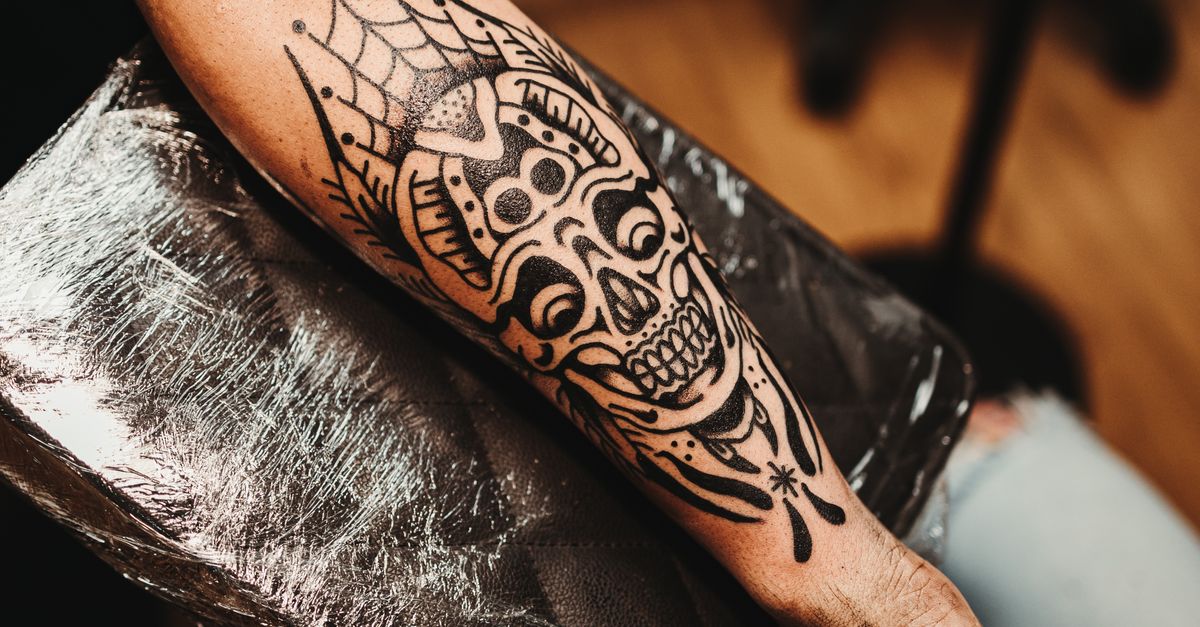
Aftercare as an Essential Part of the Tattooing Process
Table Of Contents
How Aftercare Affects Tattoo Longevity
Proper aftercare is crucial in ensuring that a tattoo remains vibrant and intact over time. Following aftercare instructions diligently helps to prevent issues such as fading, scabbing, and infection. Many people underestimate the importance of moisturising and keeping the tattoo hydrated. Utilizing the recommended products can significantly enhance the skin's healing process, allowing the ink to settle into the dermis without disruption.
In addition to moisturising, limiting sun exposure is essential to protect a fresh tattoo. Ultraviolet rays can lead to premature fading and distort the colours of the tattoo. Wearing sunblock on healed tattoos provides long-term protection, preserving the artwork’s clarity. By adopting these practices, individuals can enjoy their tattoos in their full glory for years to come.
The Impact on Colour and Detail
Proper aftercare is crucial for maintaining the vibrancy and intricacy of a tattoo. When a freshly inked design is not cared for correctly, the colours can appear dull over time. Inadequate moisturisation or exposure to sunlight can lead to fading, altering the intended outcome of the artwork. Choosing the right products and following a consistent routine helps to ensure that the ink settles beautifully into the skin, enhancing the overall appearance of the tattoo.
Additionally, the fine details of a tattoo rely heavily on aftercare practices. If scabbing occurs due to improper care, it can interfere with the healing process, causing bits of ink to be lost. Maintaining a clean and moisturised environment allows the skin to heal in a way that preserves the sharp lines and intricate work of the design. Attention to aftercare contributes significantly to the longevity of a tattoo's detail, making it essential for anyone looking to keep their body art looking fresh and vibrant.
Aftercare and Skin Types
Different skin types react uniquely to the tattooing process, which makes personalised aftercare crucial for optimal healing. Individuals with sensitive skin may experience increased irritation, leading to complications such as inflammation or allergic reactions if the aftercare products are not selected thoughtfully. It is important for these individuals to opt for gentler, hypoallergenic ointments that are less likely to provoke a reaction while also aiding in the healing process.
Meanwhile, individuals with oily skin may face distinct challenges. Excess oil can contribute to a higher likelihood of infection if not managed properly. Using lightweight, non-comedogenic moisturisers can help maintain hydration without clogging pores. Those with dry skin should focus on heavier emollients to prevent excessive flaking and ensure that the tattoo retains its vibrancy over time. Adapting aftercare routines to suit skin types can make a significant difference in the healing outcomes of tattoos.
Tailoring Care for Different Skin Conditions
Individuals with sensitive skin may experience increased irritation during the healing process. It’s important to select a gentle, fragrance-free moisturiser that does not contain harsh chemicals. Before applying any product, testing a small patch on unaffected skin can help ensure compatibility. Keeping the tattoo well-hydrated can prevent excessive itchiness and reduce the risk of scabbing.
For those with conditions like eczema or psoriasis, additional precautions are necessary. Consulting with a dermatologist before getting a tattoo can provide tailored advice for aftercare. Using ointments that focus on healing and reducing inflammation can be beneficial. Maintaining a routine that includes gentle cleansing and moisturising will support skin recovery while protecting the tattoo’s integrity.
Role of Hygiene in Aftercare
Maintaining proper hygiene during the aftercare phase is essential for ensuring that a tattoo heals correctly. Cleanliness helps prevent infections that can arise from bacteria, dirt, or other contaminants entering the fresh tattooed skin. It's crucial to wash the area gently with mild soap and lukewarm water before applying any aftercare products. Avoid submerging the tattoo in water, such as in baths or swimming pools, as this increases the risk of irritation and introduction of harmful pathogens.
To ensure ongoing cleanliness, it’s advisable to avoid touching the tattoo unless absolutely necessary. If contact is unavoidable, clean hands should be used to minimise the transfer of oils or dirt. Avoid items that may come into direct contact with the tattoo, including tight clothing and unclean surfaces. This level of vigilance supports the tattoo's healing process and helps maintain the design's quality over time. Proper hygiene not only safeguards the skin but also enhances the overall appearance of the tattoo.
Keeping Your Tattoo Clean and Safe
Ensuring cleanliness during the tattoo healing process is crucial for minimizing the risk of infection. It's important to wash your hands thoroughly before touching your tattoo. Use a mild, fragrance-free soap to gently cleanse the area and rinse with cool water. Avoid scrubbing or using abrasive materials, as these can irritate the tattooed skin. After cleaning, gently pat the area dry with a clean towel or allow it to air dry. Always follow up with a suitable moisturiser recommended by your tattoo artist to keep the skin hydrated and promote healing.
Protecting your tattoo from environmental factors also plays a vital role in maintaining its integrity. Direct exposure to sunlight can cause fading, so applying a broad-spectrum sunscreen once the tattoo has healed is essential. Additionally, avoid swimming pools, hot tubs, or any bodies of water for at least two weeks after getting inked. These environments can introduce bacteria to your tattoo and hinder its healing process. By adhering to these hygiene practices, you can help ensure that your tattoo stays vibrant and detailed for years to come.
FAQS
Why is aftercare important for tattoos?
Aftercare is crucial for tattoos as it helps to promote healing, maintain the vibrancy of colours and details, and ensures that the tattoo looks fresh and well-defined for many years.
How does aftercare impact the longevity of a tattoo?
Proper aftercare can significantly extend the life of a tattoo by preventing infections and skin irritations, which can lead to fading or distortion of the design.
What should I do if I have sensitive skin after getting a tattoo?
If you have sensitive skin, it's important to consult with your tattoo artist for tailored aftercare advice. You may need to use gentler products and avoid any potential irritants to ensure optimal healing.
How often should I clean my new tattoo during the aftercare process?
You should clean your new tattoo 2-3 times a day with a mild, unscented soap and lukewarm water to keep it free from bacteria and promote healing.
Can I expose my tattoo to the sun during the healing process?
It’s best to avoid direct sunlight on a healing tattoo, as UV rays can cause fading and irritation. Once healed, always apply sunscreen to protect the tattoo from sun damage.
Related Links
Preventing Fading: The Importance of Aftercare PracticesThe Science Behind Tattoo Ink and Skin Care
The Connection Between Aftercare and Tattoo Infection Rates
Care After the Needle: Why Aftercare Matters
Tattoo Healing: Why Aftercare Is Non-Negotiable
How Aftercare Can Enhance the Vibrancy of Your Tattoo
Myths and Facts About Tattoo Aftercare