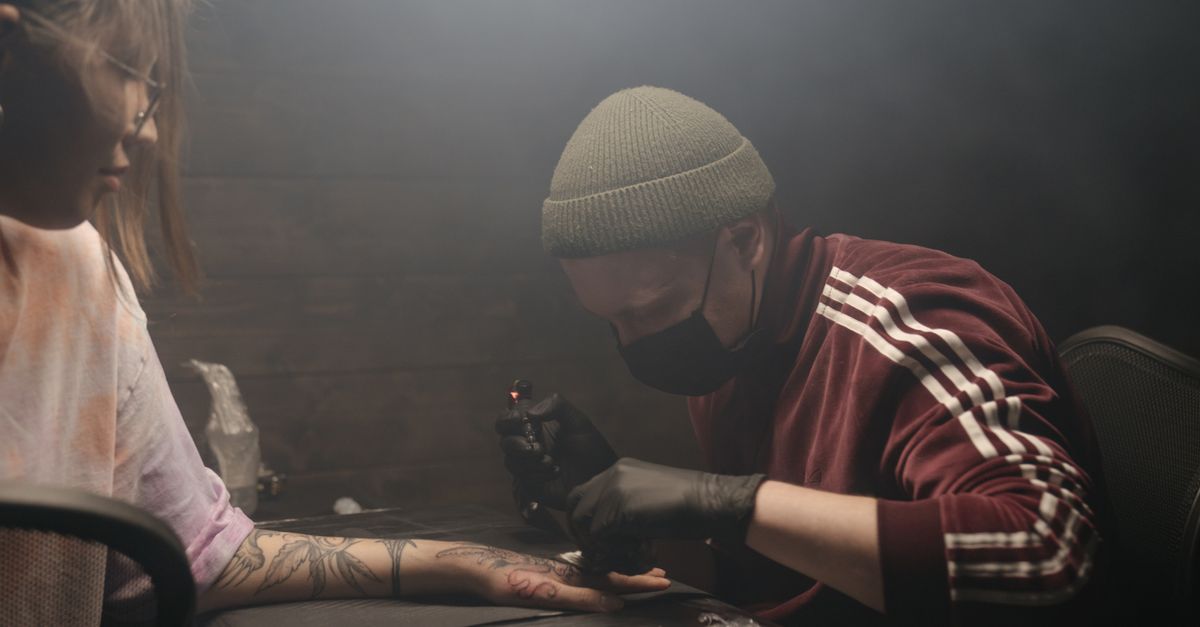
Care After the Needle: Why Aftercare Matters
Table Of Contents
Signs of Complications to Watch For
Post-procedure, individuals should be vigilant for unusual signs that may indicate complications. Redness, swelling or increased warmth around the injection site can signal infection. Persistent or severe pain, along with any unexpected discharge, warrants closer attention. Monitoring body temperature is crucial; a fever may suggest an inflammatory response or infection.
In addition to local symptoms, individuals should be aware of systemic reactions. Allergic responses can manifest as rashes, itching, or difficulty breathing and require immediate medical evaluation. Changes in overall health, such as prolonged fatigue or malaise, should not be overlooked. It is crucial to remain observant in the days following a procedure to ensure swift action if complications arise.
When to Seek Professional Assistance
Noticing unusual symptoms after a procedure can be concerning. Common signs that warrant professional assistance include severe swelling, increasing pain that doesn’t subside with over-the-counter medication, or any discharge that appears abnormal. A sudden onset of fever or chills may also indicate an infection. Promptly addressing these symptoms can help prevent more serious complications and ensure a smoother recovery.
In some cases, changes in skin colour or texture around the treated area might signal a need for medical evaluation. Observing any unexpected symptoms, no matter how minor they may seem, can benefit from a consultation with a healthcare provider. Being proactive in seeking assistance provides peace of mind and supports optimal healing during recovery.
Personalising Your Aftercare Routine
Aftercare is not a one-size-fits-all approach, as individual needs can vary greatly based on various factors including the procedure performed and personal health conditions. Assessing your skin type, sensitivity, and any pre-existing conditions will assist in shaping your unique aftercare routine. For instance, those with sensitive skin may require gentler products or techniques whereas others might need specific treatments to optimise recovery.
Incorporating a variety of products tailored to your body's responses can enhance healing and overall results. It's essential to monitor your skin's reaction to any products used in your regimen. Adjustments may need to be made based on how your skin feels post-treatment. Regular self-assessment facilitates a proactive approach toward aftercare, allowing for changes that better suit your personal recovery process.
Tailoring Care to Individual Needs
Individual needs play a crucial role in determining the appropriate aftercare routine. Factors such as age, skin type, and health conditions can significantly influence how one should care for their body post-treatment. For example, someone with sensitive skin may require gentler products and techniques, while a person with more resilient skin might handle a standard aftercare regimen without issues. Understanding these unique aspects allows for a more effective approach to recovery and enhances overall satisfaction.
Moreover, personal habits and lifestyle choices should also be considered when devising an aftercare plan. Regular activities, such as exercise or sun exposure, can affect healing times and outcomes. Adaptations can be made to accommodate these factors, ensuring that individuals can maintain their routines while still promoting optimal recovery. By closely assessing individual circumstances, one can tailor aftercare strategies that not only address specific needs but also support long-term results.
The Impact of Aftercare on Results
Aftercare plays a crucial role in determining the success of any procedure or treatment. Proper care immediately following a procedure can greatly diminish the likelihood of complications and enhance the overall effectiveness of the treatment. With appropriate aftercare, individuals can expect better recovery times and improved health outcomes. Not only does aftercare support the physical healing process, but it also reinforces any psychological benefits gained through the initial treatment.
Investing time and effort in a tailored aftercare routine can lead to significant improvements in results. Individuals who follow post-procedure instructions diligently often experience enhanced satisfaction and a lower incidence of adverse effects. This proactive approach encourages a sense of control over one’s own healing journey, contributing positively to both physical and emotional recovery. By prioritising aftercare, the long-term benefits of any treatment can be optimised, ensuring that the desired results are not only achieved but maintained.
Enhancing Outcomes Through Proper Follow-Up
Proper follow-up plays a crucial role in achieving the best possible results after any procedure. Monitoring the healing process allows individuals to identify potential complications early, leading to prompt intervention if necessary. Scheduled check-ins with healthcare professionals can provide reassurance and expert guidance, ensuring that recovery remains on track. This proactive approach helps in addressing any concerns, adjusting aftercare routines, and reinforcing good practices that promote optimal healing.
In addition to addressing complications, engaging in follow-up care can significantly enhance overall outcomes. Professionals can offer tailored advice based on individual progress and any unique challenges faced during recovery. This personalised attention contributes not only to physical healing but also to an individual's peace of mind. Making follow-up care a priority can transform the aftercare experience, turning it into a collaborative effort focused on achieving the best possible results.
FAQS
What are the common signs of complications to watch for after a procedure?
Common signs of complications include excessive swelling, prolonged redness, unusual pain, or any discharge from the injection site. If you notice any of these symptoms, it's important to monitor them closely.
When should I seek professional assistance after a procedure?
You should seek professional assistance if you experience severe pain, signs of infection (like fever or pus), or if you have any concerns that your recovery isn't going as expected. It's always better to consult a healthcare professional if you're unsure.
How can I personalise my aftercare routine?
Personalising your aftercare routine involves considering your individual health needs, the type of procedure you had, and any specific recommendations from your healthcare provider. Factors like skin type, medical history, and lifestyle should be taken into account.
Why does aftercare matter for my recovery?
Proper aftercare is crucial as it can significantly impact your healing process and overall results. Good aftercare helps to minimise complications, reduce recovery time, and enhances the final outcome of the procedure.
What are some effective ways to enhance outcomes through proper follow-up care?
Effective ways to enhance outcomes include adhering to post-procedure instructions, scheduling follow-up appointments, monitoring your healing progress, and communicating any concerns with your healthcare provider to ensure optimal recovery.
Related Links
The Connection Between Aftercare and Tattoo Infection RatesPreventing Fading: The Importance of Aftercare Practices
Aftercare as an Essential Part of the Tattooing Process
The Science Behind Tattoo Ink and Skin Care
Tattoo Healing: Why Aftercare Is Non-Negotiable
How Aftercare Can Enhance the Vibrancy of Your Tattoo