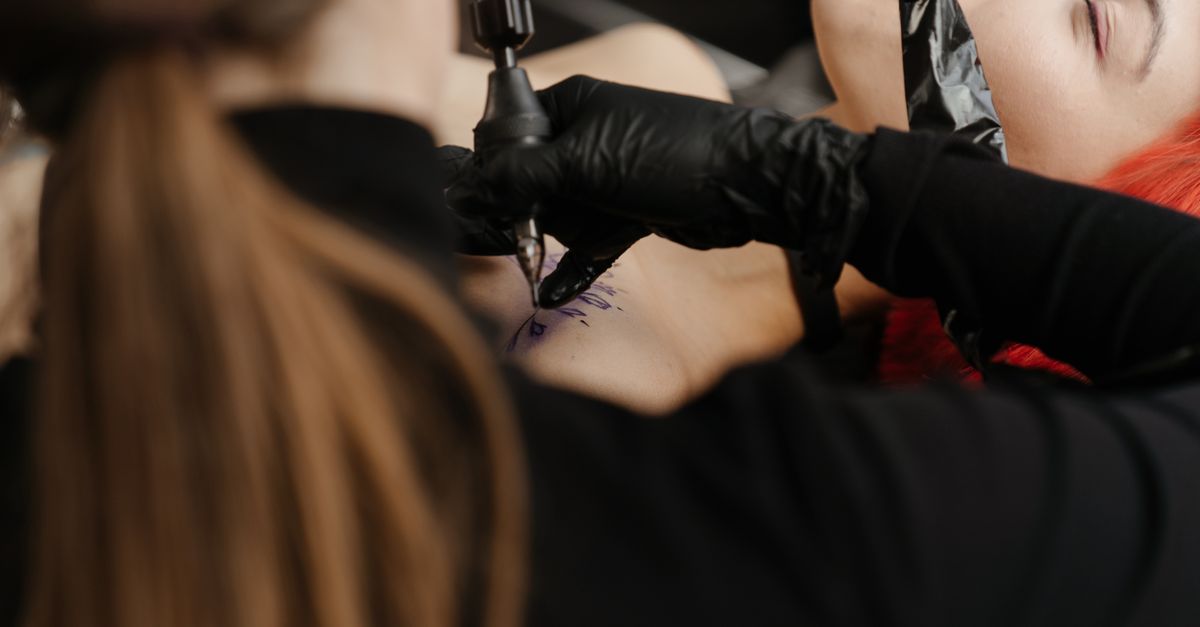
Maintenance Tips for Watercolour Tattoos
Table Of Contents
Avoiding Fading Over Time
Watercolour tattoos are known for their vibrant colours and intricate designs, which can be prone to fading over time. To maintain their vividness, it is important to protect them from excessive sun exposure. Ultraviolet rays can break down pigments, leading to a dull appearance. Regular application of a broad-spectrum sunscreen on the tattooed area can provide a protective barrier, helping to preserve the artwork.
Another factor that contributes to fading is the use of harsh soaps and chemicals during cleaning. Gentle, fragrance-free cleansers can help keep the tattoo looking fresh and bright without stripping away colour. Additionally, maintaining moisture in the skin through regular moisturisation supports the longevity of the tattoo. Products formulated for sensitive skin can further enhance the overall appearance, making those attractive hues last longer.
Tips to Preserve Colour and Detail
Watercolour tattoos are known for their vibrant hues, which can unfortunately fade over time if not properly cared for. Moisturising the skin frequently can enhance the longevity of the tattoo, as hydrated skin holds colour better than dry skin. Opt for unscented, dye-free lotions to avoid irritation and potential discolouration. Additionally, consider using a sunscreen with high SPF whenever exposed to sunlight. This shields the tattoo from UV rays, which are notorious for causing fading.
Regular touch-ups can also help maintain the brilliance of your watercolour design. If your tattoo starts to lose its vibrancy, consulting a professional tattoo artist for advice on touch-up sessions can make a significant difference. Keeping an eye on any changes can lead to prompt action, ensuring that the colours remain fresh and the details sharp. Using a gentle soap for washing the area will further protect the artwork, avoiding harsh chemicals that could strip away the colour.
Showering with Watercolour Tattoos
Showering can pose challenges for maintaining the vibrancy of watercolour tattoos. Water exposure, combined with heat and steam, may lead to fading or blurring of the intricate designs. It’s essential to keep the water temperature moderate, as hot water can strip essential oils from the skin, potentially affecting the tattoo's longevity. Shorter showers can also help minimise moisture exposure, protecting the colours and ensuring they don’t lose their brilliance over time.
Using a gentle, fragrance-free soap is recommended when washing the tattooed area. Harsh cleansers can irritate the skin and diminish the overall appearance of the tattoo. Patting the area dry with a soft towel rather than rubbing it can further protect the design. After showering, applying a non-comedogenic moisturiser will help to lock in moisture and keep the skin hydrated, promoting a healthier environment for the tattoo to thrive.
Techniques to Prevent Damage While Bathing
When showering, it's important to limit the time your tattoo is exposed to direct water pressure. Direct jets can cause the ink to blur, especially for watercolour tattoos that often rely on delicate colour gradients. Using a gentle spray or a handheld showerhead can help you manage this effectively. Consider using a protective barrier, like a waterproof tattoo cover, if you need to immerse yourself in water for longer periods.
After showering, avoid rubbing the tattoo with a towel to prevent irritation and potential ink loss. Instead, pat the area dry with a clean cloth. Moisturising your tattoo shortly after drying can also aid in keeping the colours vibrant and the skin hydrated. Be sure to use a fragrance-free, gentle moisturiser to reduce the risk of irritation, promoting better healing while preserving the integrity of your artwork.
Clothing Considerations
Choosing the right clothing can significantly influence the longevity and appearance of watercolour tattoos. Fabrics that are gentle and breathable, such as cotton or bamboo, reduce friction against the skin. Loose-fitting clothes allow for better air circulation, which helps prevent irritation and keeps the tattoo's vibrancy intact. Constant rubbing from tighter materials may lead to fading and distortion of colours over time.
Additionally, pay attention to the dyes used in clothing. Dark or vibrant colours may bleed onto the skin, especially if the fabric is new. Washing clothes before wearing them for the first time can help eliminate excess dye. Opting for lighter colours or washed fabrics can minimise the risk of discolouration on tattoos, ensuring the artwork remains clear and beautiful.
Fabrics That Are Tattoo-Friendly
Choosing the right fabrics can significantly impact the longevity and vibrancy of watercolour tattoos. Cotton is often recommended due to its breathability and softness. This natural fabric allows the skin to breathe while ensuring minimal irritation to the tattooed area. Avoid synthetic materials like polyester, as they can trap heat and moisture, potentially leading to discomfort and fading.
When selecting clothing, consider items that provide coverage to protect your tattoo from the sun. Lightweight, loose-fitting garments made from linen or bamboo are excellent options. These fabrics offer protection while preventing excessive rubbing and friction against the skin. Ensuring the clothing fits comfortably can help maintain the integrity of your artwork and keep your skin healthy.
FAQS
How can I avoid fading of my watercolour tattoo over time?
To avoid fading, keep your tattoo moisturised and protected from direct sunlight. Use a high-quality sunscreen with a high SPF when exposed to the sun, and consider wearing clothing that covers the tattoo to shield it from UV rays.
What are some tips to preserve the colour and detail of my watercolour tattoo?
To preserve colour and detail, apply a fragrance-free moisturiser regularly and avoid using harsh soaps or exfoliants on the tattooed area. Stay hydrated and maintain a healthy diet, as this can also impact the vibrancy of your tattoo.
Is it safe to shower with my watercolour tattoo?
Yes, it is safe to shower with a watercolour tattoo, but be cautious. Avoid soaking the tattoo in hot water for long periods, as this can lead to fading. Use lukewarm water and gentle, fragrance-free body wash to minimise any potential damage.
What techniques can I use to prevent damage to my watercolour tattoo while bathing?
To prevent damage while bathing, avoid scrubbing the tattooed area and use gentle patting motions instead. Limit the time spent in hot water and consider covering the tattoo with a waterproof bandage if you're concerned about exposure.
What types of clothing are considered tattoo-friendly?
Fabrics that are soft and breathable, like cotton or bamboo, are tattoo-friendly as they reduce friction and irritation on the skin. Avoid tight-fitting clothes that can rub against the tattoo, which may cause fading or damage to the ink.
Related Links
Understanding the Pain Levels Associated with Watercolour TattoosNotable Perth Artists Specialising in Watercolour Tattoos
How to Customize Your Watercolour Tattoo
The Significance of Watercolour Tattoos in Modern Body Art
The Role of Blending in Watercolour Tattoo Art
How to Choose the Right Colour Palette for Watercolour Tattoos