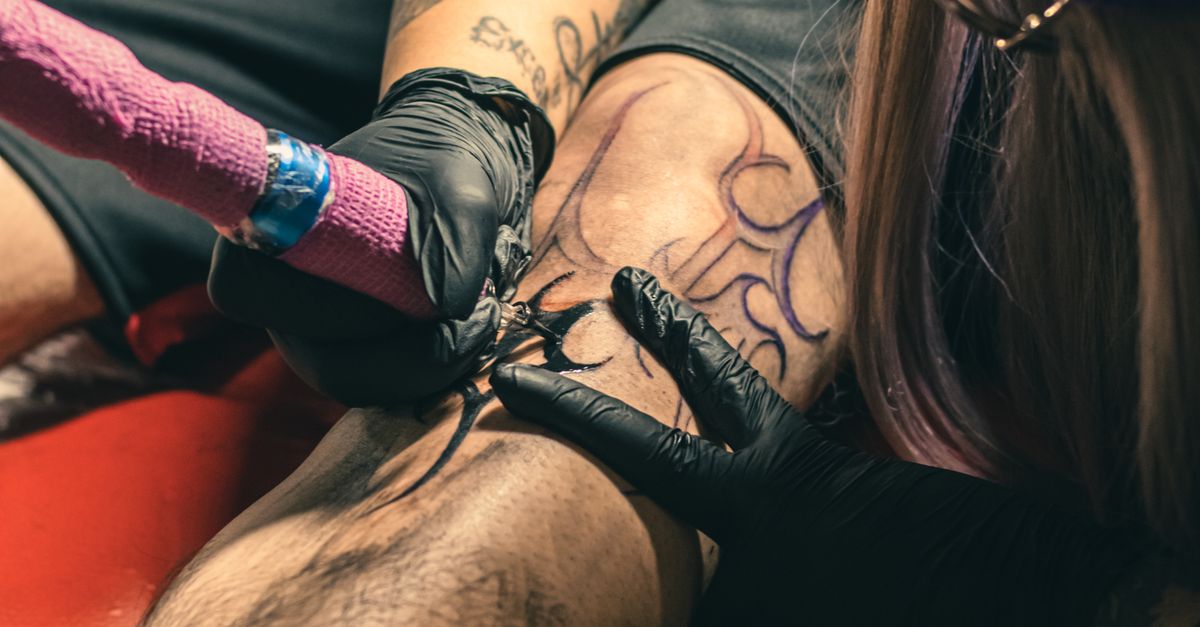
The Role of Blending in Watercolour Tattoo Art
Table Of Contents
Tools and Supplies for Watercolour Tattoos
Artists venturing into the world of watercolour tattooing require a unique set of tools to achieve that vibrant and fluid aesthetic. High-quality pigments specifically designed for tattoos are essential, as they not only offer a diverse range of colours but also ensure longevity on the skin. Additionally, a variety of brushes is necessary. Flat, round, and liner brushes allow for different techniques, helping to create the layered and blending effects characteristic of watercolour tattoos.
Beyond pigments and brushes, other equipment plays a critical role in the process. A reliable tattoo machine combined with adjustable needle configurations enables precise application, essential for achieving smooth gradients. Stencils can assist in laying a solid foundation for designs, while disposable palettes help artists mix colours effectively. Using these tools in conjunction allows for experimentation and creativity, which are key elements in mastering the watercolour tattoo technique.
Essential Equipment for Artists
Artists venturing into the realm of watercolour tattoos require specific tools to achieve their desired effects. Quality tattoo machines equipped with adjustable settings are essential for creating delicate lines and vibrant washes. The choice of needles also plays a crucial role; artists often prefer flat or shader needles to blend colours effectively, allowing for smooth transitions and a painterly finish. Additionally, a reliable ink brand that offers a range of bright, vivid pigments is vital, as the quality of ink impacts the final appearance and longevity of the tattoo.
Beyond the basic equipment, artists benefit from using special wash bottles for their inks. These bottles allow for controlled application, giving artists the ability to mix and dilute colours precisely. A palette for colour mixing is equally important, providing a space to experiment with custom shades. Furthermore, high-quality stencils or design software can help streamline the design process, ensuring that the artistic vision translates well to the skin surface. A well-organised workspace with adequate lighting and cleanliness contributes significantly to the overall quality of the tattooing experience.
The Process of Designing a Watercolour Tattoo
Designing a watercolour tattoo begins with a deep understanding of the intended design and its placement on the body. Artists typically start with a sketch, exploring various elements such as colour palettes and brush strokes. The aim is to create a visual flow that mimics the fluidity of actual watercolour paintings. Artists often reference traditional watercolour techniques to capture the essence of this style, considering how colours will blend and interact on skin over time.
Once the initial sketch is complete, artists may digitalise their design for further refinement and to visualise how each layer of colour will appear when tattooed. This stage involves careful consideration of skin tones and how they might influence the final outcome. Transparency plays a vital role in this process, as layering different shades can enhance the depth and vibrancy of the tattoo. By experimenting with digital tools, artists can simulate the blending effects that define watercolour tattoos, ensuring that their vision aligns with the client’s expectations.
From Concept to Skin
Developing a design concept for a watercolour tattoo starts with inspiration. Artists often gather ideas from various sources such as nature, emotions, or personal narratives. Sketching the initial concept on paper allows for flexibility and creativity. Digital tools can also aid in refining the design, giving artists the opportunity to experiment with colours and styles before committing to the skin.
Once the design is finalised, the tattooing process begins. Preparing the skin involves cleaning and shaving the area, ensuring a smooth canvas for the artwork. Artists carefully map out the design using stencils or freehand techniques, paying attention to placement on the body. As they apply layers of vibrant inks, they focus on blending techniques to achieve the signature watercolour effect. The use of water and varying needle techniques enables smooth transitions and rich colour depth, captivating the essence of watercolour art.
Maintenance and Aftercare
Caring for a watercolour tattoo requires attention and effort from the moment it is applied. Keeping the area clean is essential; gently washing it with mild soap and water helps to prevent infection. Moisturising with a fragrance-free lotion or a specially formulated tattoo balm will keep the skin hydrated and reduce the risk of fading. Avoiding harsh chemicals, direct sunlight, and immersion in water for extended periods during the healing process is crucial.
Once the tattoo has healed, ongoing maintenance ensures its vibrancy. Regular application of sunscreen to the tattooed area can protect it from UV damage, which often leads to fading over time. Touch-ups may also be necessary as colours tend to soften with age. Consulting with a skilled tattoo artist about the best practices for maintaining the brightness and integrity of a watercolour tattoo can prolong its beautiful appearance.
Ensuring Longevity of Watercolour Tattoos
Proper aftercare is essential for enhancing the longevity of watercolour tattoos. After getting the tattoo, it is crucial to keep the area clean and moisturised. Using a mild, fragrance-free soap assures the skin remains free from irritants. Applying a barrier cream or ointment in the initial healing phase can help protect the artwork from environmental factors. Avoiding direct sunlight exposure further contributes to the preservation of vibrancy as UV rays can fade the ink over time.
Once the tattoo has healed, regular moisturisation continues to play a significant role. Skin hydration not only supports the integrity of the pigment but also prevents dryness and flakiness that can compromise the tattoo’s appearance. Opting for specialised tattoo aftercare products may enhance the protective qualities necessary for maintaining the vividness of the colours. Scheduling touch-ups as needed ensures that the design remains fresh and true to its original beauty.
FAQS
What is blending in watercolour tattoo art?
Blending in watercolour tattoo art refers to the technique of creating smooth transitions between different colours and shades, mimicking the appearance of watercolour paintings on the skin.
Why is blending important for watercolour tattoos?
Blending is crucial for watercolour tattoos because it enhances the visual effect, allowing for a more organic and fluid design that appears vibrant and lifelike. It helps create depth and dimension in the artwork.
What tools are best for achieving a good blend in watercolour tattoos?
The best tools for achieving a good blend in watercolour tattoos include soft brushes, watercolour tattoo inks, and a blending solution. These tools help artists manipulate the ink for seamless transitions.
Can anyone learn to blend watercolour tattoos effectively?
Yes, with practice and the right techniques, anyone can learn to blend watercolour tattoos effectively. Many artists improve their blending skills through tutorials, workshops, and hands-on experience.
How does blending impact the longevity of a watercolour tattoo?
Proper blending can enhance the longevity of a watercolour tattoo by ensuring the colours are well-integrated and less likely to fade unevenly. Good blending techniques can contribute to the overall durability of the design.
Related Links
Notable Perth Artists Specialising in Watercolour TattoosHow to Choose the Right Colour Palette for Watercolour Tattoos
How to Customize Your Watercolour Tattoo
The Significance of Watercolour Tattoos in Modern Body Art
Understanding the Pain Levels Associated with Watercolour Tattoos
Maintenance Tips for Watercolour Tattoos
Techniques for Achieving a Perfect Watercolour Tattoo
Popular Watercolour Tattoo Designs Among Perth Artists